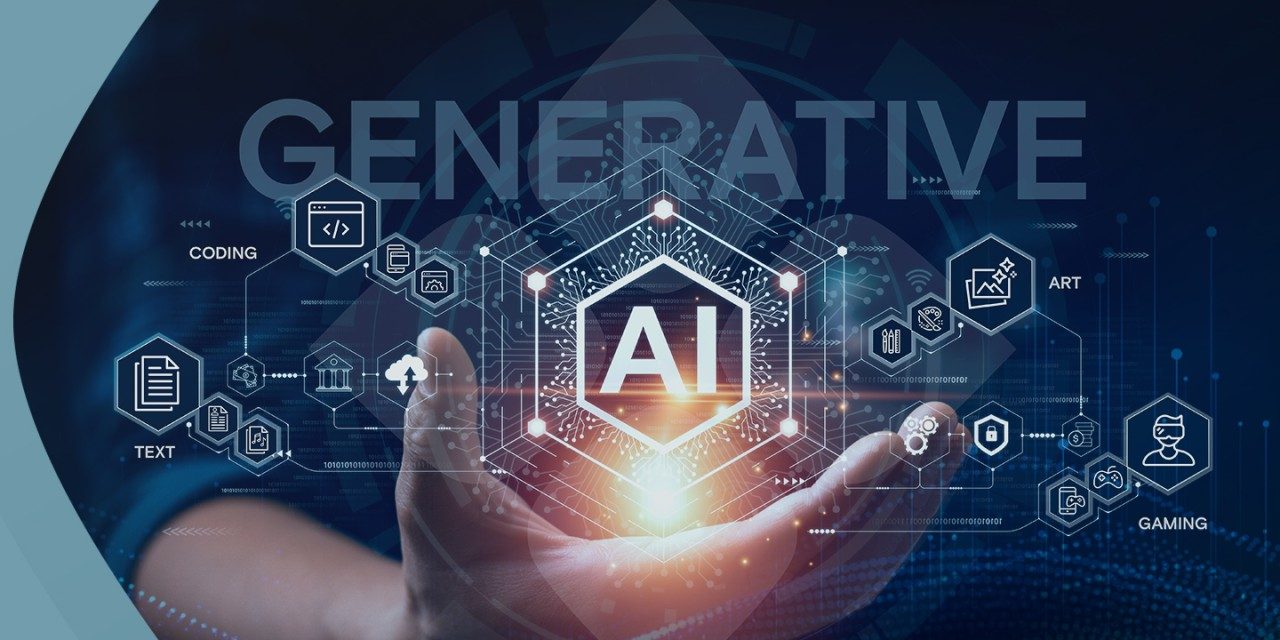
Generative AI in the Legal Sector: Friend or Foe?
The rise of Generative AI—technology capable of independently generating texts, contracts, legal advice, and even legal analyses—is causing both excitement and concern within the legal sector. Is this the technological breakthrough that will make lawyers, legal advisors, and legal counsels more efficient? Or is it a threat to traditional legal services and job security for legal professionals?
At Legal Staffing Experts, a specialized recruitment agency for legal profiles, we are closely monitoring these developments. What does Generative AI mean for the future of legal work? And how are legal professionals and organizations preparing for it?
1. The Promise of Generative AI: Efficiency and Accessibility
Generative AI tools like ChatGPT, Copilot, or Harvey (an AI tool specifically for the legal sector) promise to drastically simplify repetitive and time-consuming tasks. Think of drafting standard contracts, analyzing large volumes of case law, or quickly summarizing complex documents. What used to take hours or even days, can now be done in minutes.
For legal teams with tight budgets or under high pressure, AI can be a powerful assistant. It boosts efficiency, reduces costs, and allows legal professionals to focus more on strategic and human-centered advice—something that (for now) machines cannot replace.
2. But There Are Risks: Bias, Responsibility, and Quality
Still, the legal sector is not easily automated. AI may be fast, but it is not infallible. Generative AI relies on massive amounts of data but does not understand that data the way a lawyer does. Mistakes are possible, and sometimes even “hallucinations”: answers that sound convincing but are legally incorrect.
Who is responsible if AI drafts an incorrect contract or misinterprets the law? What about ethics and the confidentiality of sensitive legal files? These are questions many firms are still exploring—and rightly so.
3. What Does This Mean for Legal Professionals?
For legal talents, this presents both a clear challenge and opportunity. AI will take over certain tasks, but that does not mean lawyers will become obsolete—on the contrary. There will be a growing need for professionals who can assess, guide, and correct technology. Legal experts with digital skills will make the difference.
We also expect a shift in the types of profiles that will be in demand. Think legal tech consultants, AI compliance officers, or lawyers with data analysis capabilities. This calls for a different mindset and new skills. At Legal Staffing Experts, we support candidates and companies in navigating this transition.
4. Both Friend and Foe – Depending on How You Use It
Generative AI is neither a miracle solution nor an existential threat. It is a powerful tool that—if used properly—can enrich legal work. But like any technology, it requires critical reflection, clear frameworks, and most importantly: human oversight.
CONCLUSION
At Legal Staffing Experts, we believe the future of the legal sector is hybrid: a collaboration between human and machine, where technology supports but humans remain in control.
We are already helping candidates find jobs that combine technology with legal work, such as legal tech specialists or compliance officers.
Are you a legal professional looking to boost your digital skills? Contact us at info@legalstaffingexperts.be. Together, we are building the legal teams of tomorrow.